Inside a Real F-1 Student Visa Interview: The Exact Questions Asked and the Answers That Worked
Courage Mensah | July 26, 2026 | No Comments
Most students prepare for a US student visa interview by reading generic tip lists that all say the same three things: dress well, make eye contact, don’t lie. None of that tells you what the interview actually sounds like. Below is a real F-1 visa interview, broken down question by question, with the reasoning behind every answer explained. Read it as a study guide, not a script to memorize — the officer wants to hear your situation, not someone else’s rehearsed lines.

Every international student sits through this same five-minute conversation before their US chapter can begin.
The Student Behind This Interview
The applicant is a computer science student from Nepal, admitted to Murray State University in Kentucky for a Bachelor’s degree, with classes starting in August. Her sponsor is her parents. She has no scholarship yet and no family already living in the United States. In other words: an ordinary applicant, not a special case. That’s exactly why this interview is worth studying — her situation looks like most applicants’ situations, and by the end of it, the interviewer told her flat out that she was prepared and her answers landed.
Question 1: “Where Will You Go to School?”
Officer: And where will you be going to school?
Student: I’m going to Murray State University, located in Kentucky.
Why this works: She answered in one sentence — school name, state, done. No rambling, no extra justification nobody asked for. When you can state your school and location without hesitating, it signals that this is a real, planned decision, not something you memorized five minutes before walking in.
Question 2: “When Will Your Schooling Start?”
Officer: Do you know when your schooling will start?
Student: It will start on 13 August 2025.
Why this works: An exact date, not “sometime in August” or “I’d have to check.” Visa officers use your start date to sanity-check your whole file: does it match your I-20, is there enough time left to process your visa, does your story hold together. Know this date cold before you go in.
Question 3: “Why Computer Science?”
Officer: Why do you want to study computer science?
Student: This course is the perfect bridge between my academic background and my career goal. My ultimate goal is to become a software developer, and this program will give me the essential knowledge and skills to get there.
Why this works: This answer connects three dots in one breath: what she already studied, what she’s studying next, and what she’ll do with it. That chain — past, present, future — is what officers are listening for. A vague answer like “I like computers” doesn’t show a plan. A specific career goal does.
Question 4: “Do You Have Family in America?”
Officer: Do you have family in America?
Student: No.
Why this works: Short and honest. Don’t over-explain a simple “no.” It becomes the setup for the next, much more important question.
Question 5: “Why Will You Come Back to Nepal?”
Officer: So what will be your reason for coming back to Nepal?
Student: I have both professional and personal ties to my home country. All of my family members live in Nepal, and I have a long-term goal to establish a software company here. To make that possible, I need to be here.
Why this works: This is the single most important question in any F-1 interview, and she nailed the structure: personal ties (family) plus professional ties (a specific future business), tied directly back to why she has to physically return. “I’ll come back because I miss home” is weak. “I’ll come back because my career plan only works from here” is strong, because it gives the officer a logical reason, not just an emotional one.
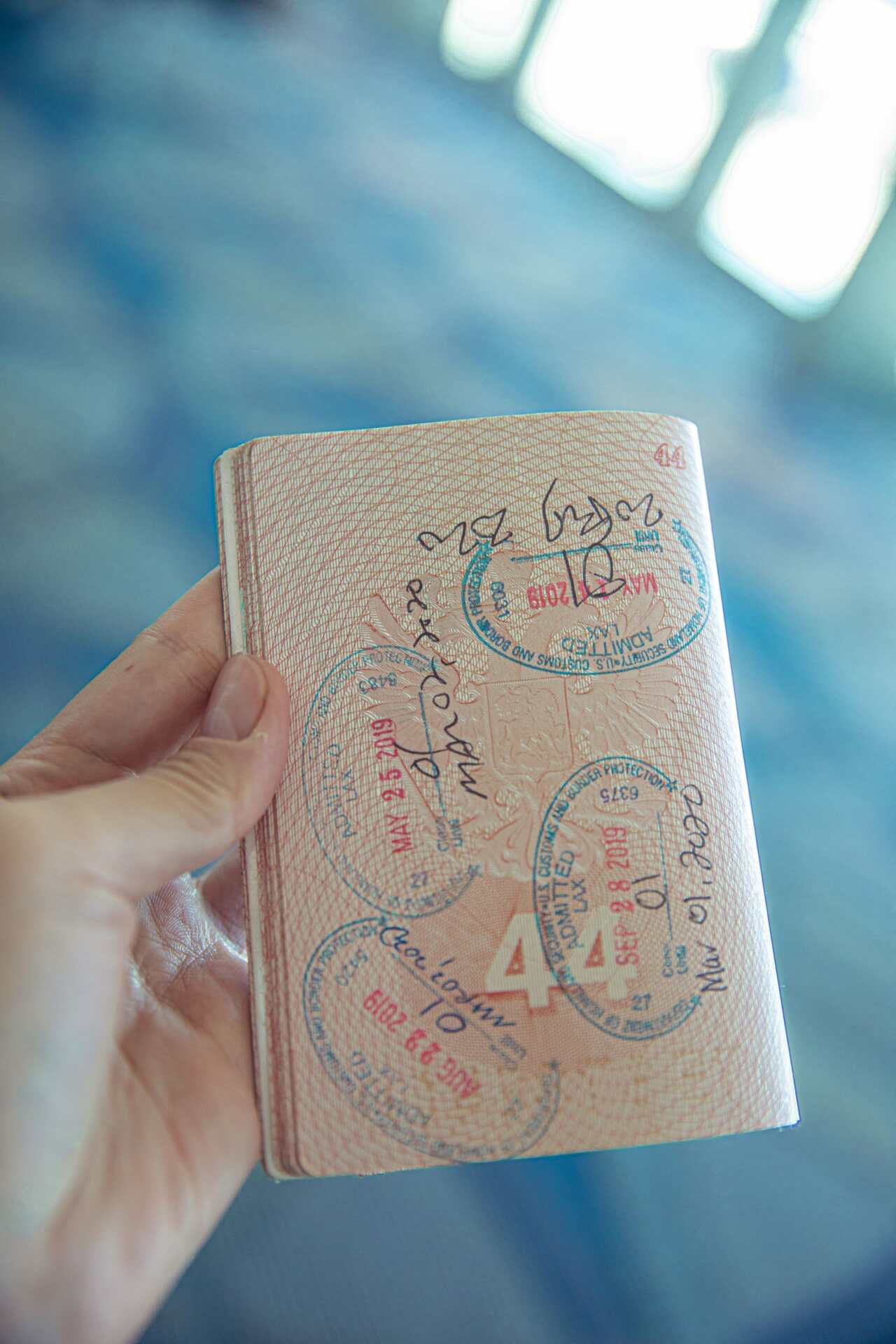
Every stamp in a passport starts with an officer deciding your story adds up.
Question 6: “Who’s Paying, and Do You Have a Scholarship?”
Officer: Who is sponsoring your education?
Student: My parents are sponsoring me.
Officer: Do you have any scholarships?
Student: Not yet. My university’s policy only allows students to apply for scholarships after enrollment, so I’ll apply once I’m enrolled.
Why this works: She didn’t invent a scholarship to sound more impressive, and she didn’t apologize for not having one. She explained the actual policy that explains the gap. Officers see through fabricated funding stories quickly — a clear, honest answer about a real policy is far more convincing than a made-up win.
Question 7: “What Happens If Your Visa Is Rejected?”
Officer: What will you do if your visa is rejected?
Student: I’m confident it won’t be refused, because I have strong documentation and a genuine intention to study and return. But if there’s a problem with my documentation, I’ll correct it immediately and reapply.
Why this works: This question is designed to catch people off guard. She didn’t panic, didn’t argue, and didn’t treat it as an insult. She stayed confident, acknowledged the possibility calmly, and described exactly what she’d do next. That combination — confidence without arrogance — is what the officer is actually testing for.
What This Student Did Right: 5 Lessons for Your Own Interview
- She answered the exact question asked. Nobody asked for her life story, and she didn’t give one.
- She had a specific reason for her specific major, linking her past studies to a named future career.
- Every “why will you return home” answer combined a personal reason (family) with a concrete professional plan (a business, a job, a goal), not just a vague promise.
- She was honest about not having a scholarship yet instead of inventing one to sound more impressive.
- She treated the hardest question — “what if you’re rejected” — as a chance to show composure, not a threat to get defensive about.
Common F-1 Visa Interview Questions You Should Prepare For
The interview above covers the core of what gets asked, but officers pull from a wider bank of questions depending on your answers. Prepare short, specific answers for each category below.
About your school and program
- Why did you choose this university?
- How many universities did you apply to, and were you accepted by others?
- What is your GPA / academic record like?
- Have you taken any English proficiency tests (TOEFL/IELTS)? What was your score?
About money
- Who is paying for your education, and what is their occupation?
- How much does a year of study and living cost, in total?
- Can you show proof of funds for your first year?
About your ties to home
- What do your parents do?
- Do you own property, or does your family have a business, back home?
- What will you do after you graduate?
About your background
- Have you traveled outside your country before?
- Have you ever applied for a US visa before, and was it approved or denied?
- Why not study this course in your home country?
A 10-Minute Prep Checklist Before You Walk In
- Say your school name, city, and state out loud without pausing.
- Say your exact program start date without checking your phone.
- Practice your “why this major” answer until it’s one sentence, not three.
- Know your sponsor’s occupation and roughly how much they earn.
- Write down one specific, concrete reason you’ll return home — not a feeling, a plan.
- Bring your I-20, admission letter, and financial documents in one folder, in order.
- Decide your answer to “what if you’re rejected” in advance, so you don’t freeze on it.
- Keep every answer under 30 seconds. Officers interview hundreds of people a day — clarity beats length.
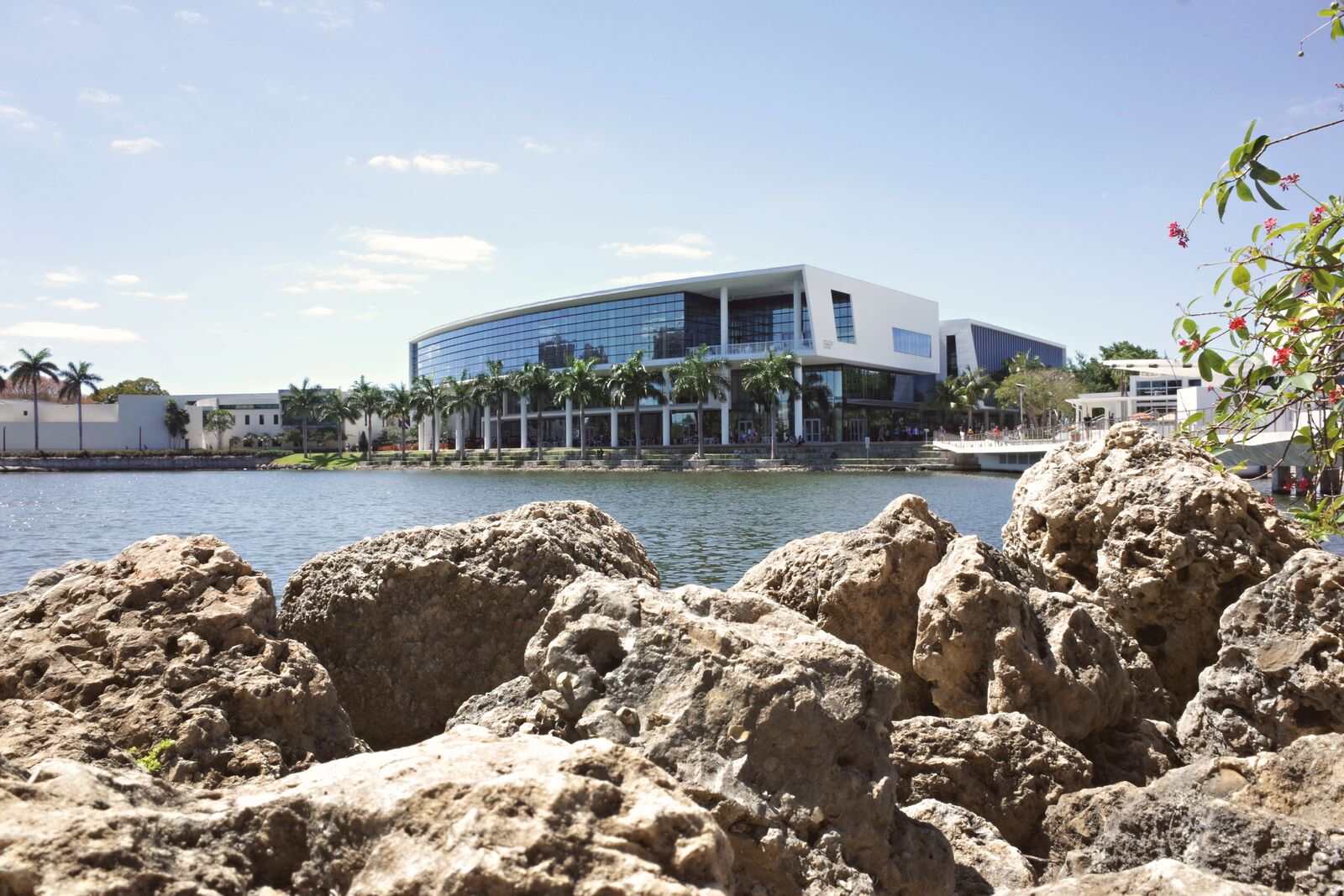
This conversation is short. What it opens up usually isn’t.
The Takeaway
Nothing in this interview was clever or rehearsed to the point of sounding fake. It worked because every answer was specific, honest, and directly tied to a real plan — a real school, a real date, a real reason to come home. That’s the whole formula. Know your own facts that well, and you walk in with the same advantage she had.
Filed Under: Opportunities Tips