
Studying in Germany for Free: What It Actually Costs, Where to Live, and What Nobody Tells You Before You Enroll
Courage Mensah | July 26, 2026 | No Comments
A student walks up to an enrollment desk and asks how much they owe. The answer is nothing. Not “nothing this semester” or “nothing after your scholarship kicks in” — just nothing. That’s not a trick question in Germany. It’s the default. Public university tuition is free, even for international students, which is exactly why Germany has become one of the most popular study destinations in the world. But “free” doesn’t mean “no costs at all,” and there’s a lot the tuition headline doesn’t tell you. Here’s what actually happens once you enroll.
The Tuition Truth: What “Free” Actually Means
Public universities in Germany do not charge tuition fees, and that applies to international students too, not just German citizens or EU nationals. What you will pay is a semester contribution, usually somewhere between 200 and 400 euros. That isn’t a hidden tuition fee in disguise — it goes toward practical things like your public transport pass and the student union that runs services on campus. Compare that to a semester of tuition anywhere else in the world, and it’s effectively a rounding error.
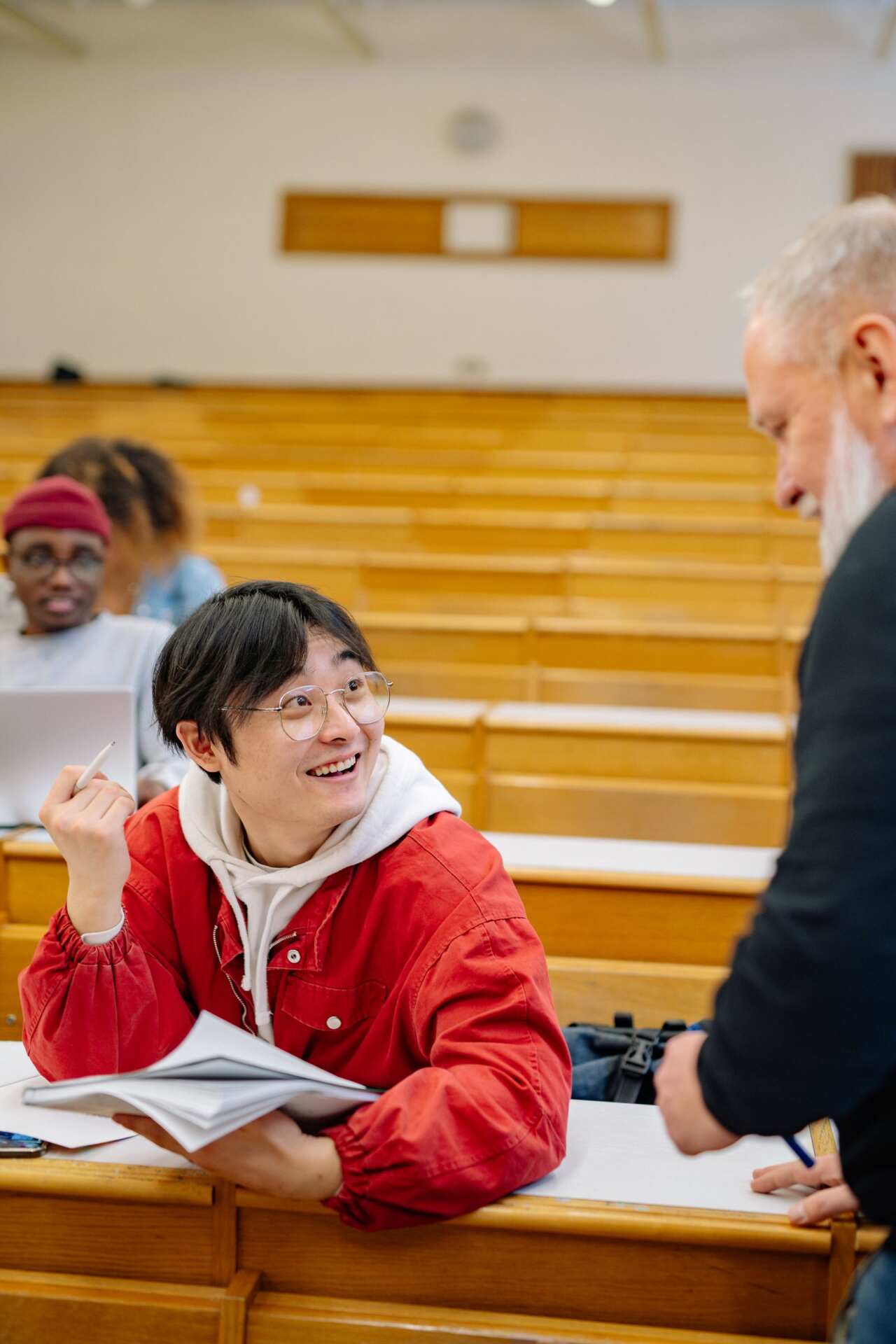
The lecture hall is free. Everything around it still costs something.
Universities vs. Colleges: Which Path Fits You
Germany has more than 400 higher education institutions, split roughly into two types. Universities lean academic — theory, research, deep subject knowledge. Colleges, often called Fachhochschulen or polytechnics, lean practical — applied skills built for a specific career. Neither one is the “lesser” option. Degrees from both carry equal standing. The right choice depends on whether you want to research a field or start working in it as fast as possible.
How Long a Degree Actually Takes
A standard bachelor’s degree in Germany is built around six semesters, or three years. In practice, a large share of students take eight semesters — four years — to finish, and that’s treated as normal, not as falling behind. If your course load, a part-time job, or a rough semester pushes your timeline out, nobody’s tracking you against a strict three-year clock.
Where International Students Actually Study
Germany hosts close to half a million international students. The single state with the most students overall, foreign and domestic, is North Rhine-Westphalia, and it’s also where international students get the most built-in support — scholarships, counseling services, and help with the practical first steps of settling into a new country.
Bonus fact: Germans study abroad too. Erasmus, the EU exchange program that lets students spend a semester or year studying in another European country, is growing in popularity among German students — and it comes with a financial incentive, since participants get paid a grant to do it.
The Real Cost of Living (Because Tuition Isn’t the Whole Budget)
Free tuition covers exactly one line item. Everything else — rent, groceries, textbooks, going out — adds up to roughly 1,000 euros a month on average, though the real number depends heavily on where you live. That’s why most students in Germany work a part-time job alongside their studies. It’s the norm, not a sign that something’s gone wrong with your budget.
The Housing Trap Nobody Warns You About
Getting accepted and enrolled does not mean you have somewhere to live. Student housing offices report getting emails the week before term starts along the lines of “I’m arriving next week, please show me my room” — and the honest answer is often that the applicant is a year and a half too late for subsidized student housing. If you want guaranteed student accommodation, you generally need to apply well over a year in advance. Most students end up in shared flats on the open rental market instead, and those have gotten steadily more expensive.
- Munich and Stuttgart are the most expensive German cities to study in.
- Berlin comes next, still pricey but a step down from Munich and Stuttgart.
- Cities in what used to be East Germany tend to be considerably cheaper across the board.
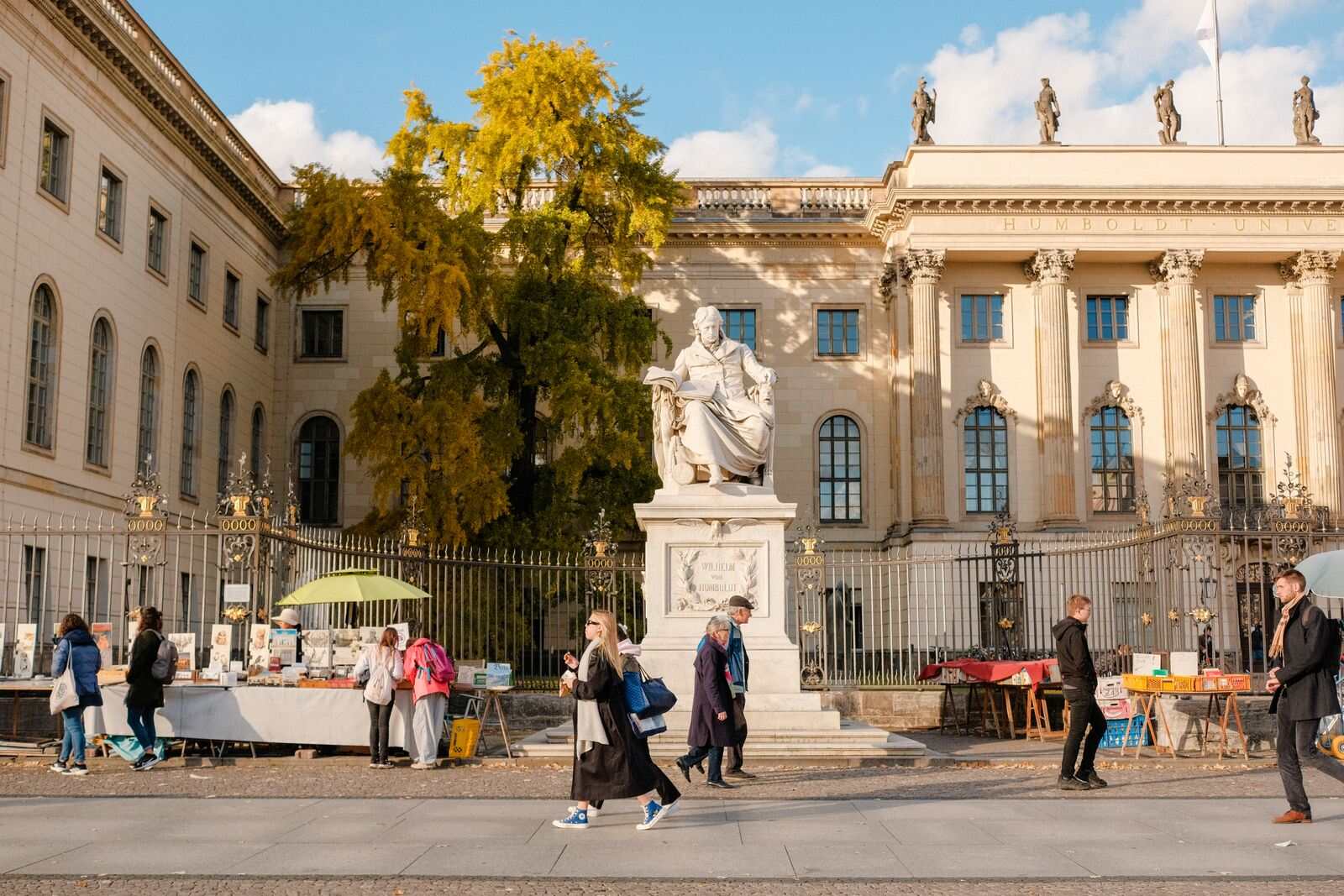
Berlin: expensive by German standards, still cheaper than most capital cities students dream about.
Three German Words You’ll Need on Day One
You don’t need to be fluent to study in Germany — there are English-taught programs, and many universities let you write papers in English even outside those tracks. But most institutions still run primarily in German, so a handful of words will save you real confusion in your first week.
Hörsaal (HER-zahl): literally “listening room” — what everyone else calls a lecture hall.
Mensa (MEN-za): the university canteen, where most students grab lunch between classes.
Ersti (ER-stee): a fresher — a student in their very first semester.
A Very Short History (So You Know What You’re Walking Into)
Germany’s oldest university is in Heidelberg, where students have been attending classes since 1386. Cologne and Erfurt followed not long after. None of them were first in Europe, though — that honor goes to Bologna, Italy, where classes have run for close to a thousand years. Higher education was a male-only space for most of that history: the first woman to attend university classes in Europe did so in mid-19th century Switzerland, and the first German woman student, Johanna Kappes, enrolled in 1900. Today, the balance has flipped — slightly more women than men are currently enrolled at German universities.
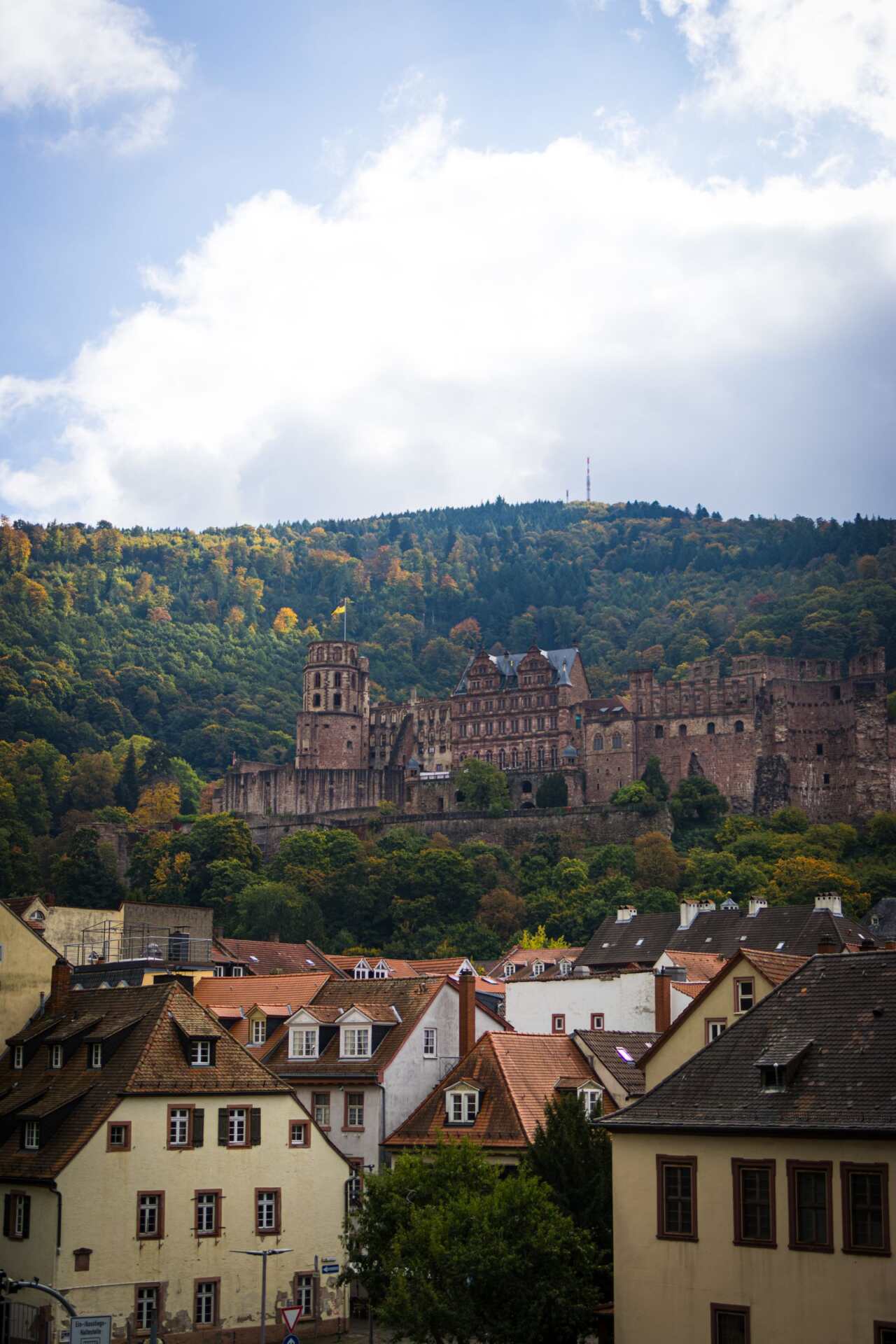
Heidelberg has been running classes since 1386 — longer than most countries have existed.
What Student Life Actually Feels Like
Most students in Germany work a part-time job, and balancing that with coursework isn’t always easy, especially around exams. Beyond the workload, though, students who genuinely enjoy their subject describe feeling less pressure overall — the stress comes more from juggling responsibilities than from the material itself.
Socially, going out for a beer is a common way students meet each other — it’s not an obligation, and nobody should feel pressured into it, but it’s woven into how people build friend groups. One local institution worth knowing about is the Späti: a late-night kiosk, common in cities like Berlin, where some locations even have DJs and music. It functions less like a convenience store and more like an informal hangout spot.

A lot of German student friendships start over something this simple.
As for the stereotype that Germans are cold: students who’ve lived it describe it more as shyness than coldness. Approach people openly and directly, and most describe the culture as genuinely warm once that first barrier is crossed.
Should You Study in Germany?
Free tuition is the headline, and it’s a real one — it removes the single biggest cost that keeps students out of higher education elsewhere in the world. But the full picture includes a semester fee, a real cost of living, a housing market you need to plan for well in advance, and a culture and language you’ll be learning alongside your degree. None of that is a reason to avoid it. It’s just the part the headline leaves out. Combine free tuition with strong student support systems, equally respected academic and practical degree paths, and a genuinely international student population, and it’s easy to see why so many students who study in Germany end up staying.
Filed Under: Opportunities Tips